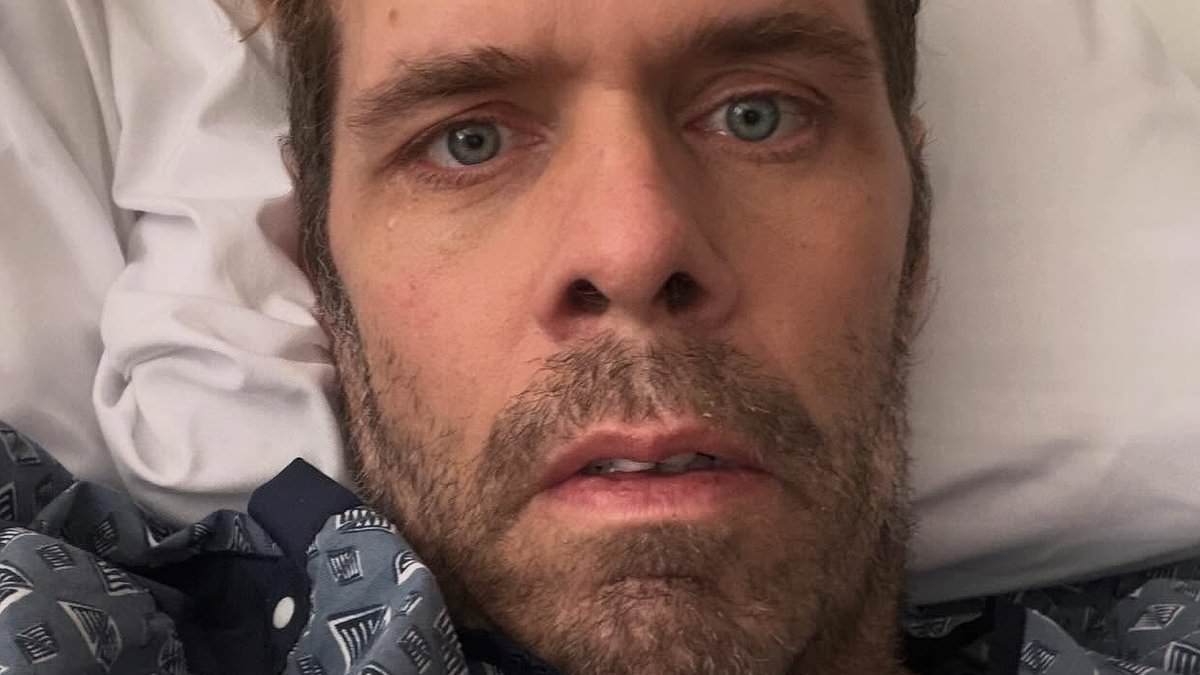
Inside Perez Hilton's 21-Day Sepsis Battle and Recovery Journey
The world knows Perez Hilton as the internet's most famous celebrity blogger, often synonymous with breaking news and unfiltered opinions. However, recent events shifted the spotlight from Hollywood gossip to a much more personal and perilous battle: a 21-day fight for his life against sepsis. His candid revelation about his severe medical emergency, which saw him hospitalized for three harrowing weeks, serves as a powerful reminder of how quickly health can deteriorate and the critical importance of understanding our bodies and medication. Through his courageous sharing, Perez Hilton aids in shedding light on a condition that claims millions of lives annually, turning a personal tragedy into a universal public health warning.
The Unforeseen Catalyst: A Simple Medication Mistake with Grave Consequences
Perez Hilton's ordeal began, surprisingly, with something as common as the flu. "I had the flu for about a week," he explained in a heartfelt video, detailing how he took flu medication as directed for days. The critical error, however, lay not in *what* he took, but *how*. "I didn't take any of my medication with food. I never have, and you're supposed to take all of this medication with food." This seemingly innocuous oversight spiraled into a life-threatening chain of events.
The medications, taken on an empty stomach, led to the development of a severe ulcer. An ulcer, a sore in the lining of the stomach or small intestine, can be incredibly painful but is often treatable. In Hilton's case, however, the ulcer progressed, creating a perforation – a hole – in his stomach lining. This perforation allowed stomach contents to leak into his abdominal cavity, leading to a massive infection. This infection then triggered sepsis, the body's extreme and life-threatening response to an infection.
Hilton described the initial signs of trouble with chilling clarity: "The day before I was hospitalized, I was in so much stomach pain. I was like, 'This is weird, but it will go away.'" But by the next morning, he couldn't walk and had to be rushed to the hospital by ambulance. His self-proclaimed "stupidity" in neglecting medication instructions underscores a common pitfall many people fall into. Reading and adhering to medication labels, especially warnings about taking pills with food, is not merely a suggestion but a critical directive to protect your health. Ignoring such advice, as Perez Hilton painfully discovered, can have dire, even fatal, consequences. For a deeper dive into this critical oversight, read more about
Perez Hilton's Sepsis Scare: The Danger of Empty Stomach Meds.
A Grueling 21-Day Hospital Ordeal: Battling Sepsis Head-On
Upon arrival at the hospital, Hilton's condition was critical. The immediate challenge for his medical team was to locate the source of the infection. "Eventually, after five days, I ended up having laparoscopic surgery," he recalled. This minimally invasive procedure involved making small incisions to allow surgeons to "literally flip around all of my organs, trying to find the perforation first, then after flipping around all of my organs, washing me out ‘cause I had so much infection in there. So much infection."
Despite the surgery and the initial cleanup, the battle was far from over. Sepsis is a relentless adversary. Hilton developed fluid in his lungs, which required drainage, and his heart "got out of control." His body continued to struggle, developing another infection while in the hospital – a common, though concerning, occurrence in prolonged stays. For two weeks, he was fed solely through an IV, his body too weak and compromised to digest solid food.
The physical toll was immense, marked by severe weakness from prolonged bed rest, significant weight loss, and general swelling. He endured highly invasive and uncomfortable procedures, including an NG tube inserted twice through his nose to his stomach to suction out bile and infection, and a Foley catheter. He pointed to a PICC line still in his arm upon discharge, a testament to the ongoing treatment he requires. The emotional strain was equally profound. After two weeks of intense sickness, the final week in the hospital felt like "hell," filled with a desperate longing to return home to his children. His gratitude for the tireless care of the doctors and nurses was palpable, describing them as lifesavers.
The Road to Recovery and Lifelong Lessons Learned
Even after being discharged, Perez Hilton is not yet 100 percent. The journey to full recovery from sepsis can be long and challenging, often complicated by what is known as Post-Sepsis Syndrome, which can include long-term physical and psychological issues. However, his willingness to share his vulnerable experience offers invaluable insights and actionable advice for others.
His story serves as a stark reminder about:
- Medication Adherence: Always read and follow medication instructions, especially those regarding food intake. If unsure, consult a pharmacist or doctor.
- Recognizing Sepsis Symptoms: Sepsis can mimic other conditions, making early detection crucial. Look for signs like fever or low body temperature, rapid heart rate, rapid breathing, confusion or disorientation, extreme pain, or clammy skin. The acronym TIME can help: Temperature (higher or lower than normal), Infection (may have signs of infection), Mental decline (confused, sleepy, difficult to rouse), Extremely ill (severe pain, discomfort, "worst ever").
- Advocating for Your Health: Don't dismiss persistent or worsening symptoms. If something feels genuinely wrong, seek medical attention promptly. Perez Hilton's initial thought that his severe stomach pain "will go away" almost cost him his life.
Perez Hilton's journey highlights that even seemingly minor health decisions can have catastrophic ripple effects. His ordeal, though traumatic, has transformed into a powerful platform for awareness. His candid account
Perez Hilton's Medication Mistake: Ulcer, Perforation, and Sepsis Warning aids countless individuals in understanding the silent dangers lurking behind everyday habits. He calls it "the worst and best thing that’s ever happened to me," implying that while the experience was horrific, it provided profound lessons in gratitude, resilience, and the fragility of life.
Conclusion
Perez Hilton's 21-day battle with sepsis is a sobering narrative of a critical health scare stemming from a seemingly minor oversight. His courage in sharing the raw details of his ulcer, perforation, and sepsis diagnosis, the agonizing hospital stay, and the long road to recovery, offers a profound public service. By turning his personal vulnerability into a universal warning, Perez Hilton aids in raising vital awareness about medication safety and the urgent need to recognize and address severe infections like sepsis. His story reminds us all to be vigilant about our health, pay attention to our bodies, and always, without exception, follow medical advice – because sometimes, a simple mistake can have life-altering consequences.